Al Ahly Sabbour and Schneider Electric, implemented by Gebal for Sustainable Solutions, inaugurated a community development project in Marsa Matrouh Governorate, with the aim of improving the livelihoods of the local residents through developing the Water, Energy, Food Nexus system. These projects rely on clean energy and are supported by Schneider Electric technology and the EcoStruxure platform, which enhances the value of partnerships in creating sustainable environmental, social, and economic impact, in line with the Sustainable Development Goals and the Egyptian state’s vision to provide a decent life for citizens, according to, Invest-Gate reports.
Official attendance and multiple partnerships
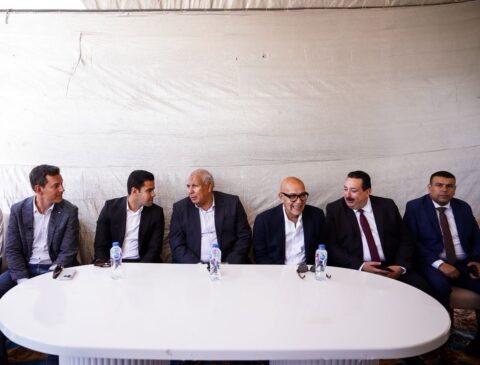
The inauguration ceremony was attended by Major General Dr. Mohamed Al-Zamlout, Governor of Matrouh, and Dr. Ali Hazeen, General Supervisor of the Executive Agency for Comprehensive Development Projects at the Ministry of Agriculture. Also attending were Eng. Ahmed Sabbour, Chairman and Managing Director of Al Ahly Sabbour Development; Sebastian Riez, CEO of Schneider Electric for North Africa and the Levant; Ms. Asmaa El Shiemy, Sustainability Senior Manager at Schneider Electric for North Africa and the Levant; Mr. Mohamed Bahgat, Chief Financial Officer at Schneider Electric North Africa and the Levant; Mr. Ahmed Al Maydany, Vice President, Industrial Automation Sector for North Africa and the Levant; Ms. Mona Samir, Vice President of Business and Government Affairs at Schneider Electric North Africa and the Levant; and representatives from Gebal for Agriculture, Sustainability, and Livelihoods. This reflects the importance of joint efforts to adopt sustainable solutions capable of addressing development challenges in the most in-need areas.
Governor’s statements and state support
During the inauguration, Major General Dr. Mohamed Al-Zamlout, Governor of Matrouh, confirmed that the project represents an integrated model for sustainable development and reflects the success of effective partnership between the public and private sectors and civil society institutions in supporting the state’s efforts to achieve comprehensive development and improve the quality of life for citizens, especially in desert and most in-need areas. He also praised the idea of the project and its development goals, thanking the residents of Samla village for their cooperation in making it successful, and stressing the importance of preserving it and maximizing benefit from it, while directing to study the expansion of implementing similar projects in areas located west of Matrouh.
Project details and components
The project was implemented in Samla village at kilometer 7 in Marsa Matrouh, and it includes a lifting pump for a well with a depth of 140 meters, and a water desalination plant producing 60 cubic meters of drinking water, which is enough to cover the daily water needs of about 9,000 people. The project also includes a cooled greenhouse on an area of 360 square meters, with a production capacity of up to 15 tons annually. It also provides job opportunities and benefits an average of 10,000 people annually, in addition to an irrigation and fertilization unit and a water reuse unit to maximize consumption efficiency. All systems operate using solar energy, and the project contributes to empowering the local community economically and improving livelihoods for a more sustainable future.
Al Ahly Sabbour vision
Commenting on this, Eng. Ahmed Sabbour, Chairman and Managing Director of Al Ahly Sabbour, stated: “Real community development can only be achieved through the integration of sectors and unifying efforts, which we are keen on through our strategic partnerships, foremost among them our cooperation with Schneider Electric as a global technology partner and Gebal as a strong local implementer of the project. Therefore, we are proud of this cooperation, which translates our role from merely developing projects to contributing to providing integrated solutions that address basic needs such as water, energy, and food, and leave a long-term and sustainable impact, which reflects our commitment to Egypt Vision 2030 and our slogan Generations for Tomorrow.” He added: “This project represents one of the largest and most important corporate social responsibility projects that we have contributed to developing and supporting so far, and represents the beginning of an extended path through which we aim to maximize this impact in other communities.”
Schneider Electric role
For his part, Sebastian Riez, CEO of Schneider Electric for North Africa and the Levant, said: “This project represents a practical model of how to transform vision into tangible impact on the ground. Technology is not an end in itself, but a tool to empower communities and enhance their ability to withstand development and climate challenges. Our partnership with Al Ahly Sabbour and Gebal reflects Schneider Electric’s commitment to supporting integrated solutions that link water, energy, and food, and contribute to building more sustainable and self-reliant communities across Egypt, in line with the state’s priorities to achieve comprehensive development and Egypt Vision 2030.”
Educational dimension and sustainability
In the same context, Asmaa El Shiemy, Sustainability Senior Manager at Schneider Electric for North Africa and the Levant, said: “This partnership comes as the first cooperation between Schneider Electric and the real estate development sector in community development projects, reflecting a new model of joint work based on transferring knowledge and technology to empower local communities. Our role was not limited to implementing sustainable infrastructure solutions only, but we were also keen to integrate the educational dimension within the project by establishing a simplified informational wall that explains to citizens, both adults and children, how the water, energy, and agriculture system works in an integrated manner, to enhance environmental awareness and make sustainability concepts closer to understanding and daily life practice.”
Operation plan and long-term sustainability
The project will continue its sustainable impact through an integrated plan for operating and maintaining the projects after completion, as they will be handed over to the local association in Sidi Heneish to take over their management and follow-up, along with implementing specialized technical training programs for the local residents to ensure operational efficiency and continuity of performance. The initiative also includes organizing additional awareness training for the village residents aimed at raising awareness levels and building local capacities, which enhances the community’s readiness to manage these solutions and achieve maximum benefit from them in the long term.